Hokkaido Bussan Home

Category

Ingredients & Cooking Science

13 articles

Roots, Leaves, and Rhizomes: A US Gardener's Guide to Cultivating Hokkaido's Most Treasured Culinary Herbs

Roots, Leaves, and Rhizomes: A US Gardener's Guide to Cultivating Hokkaido's Most Treasured Culinary Herbs

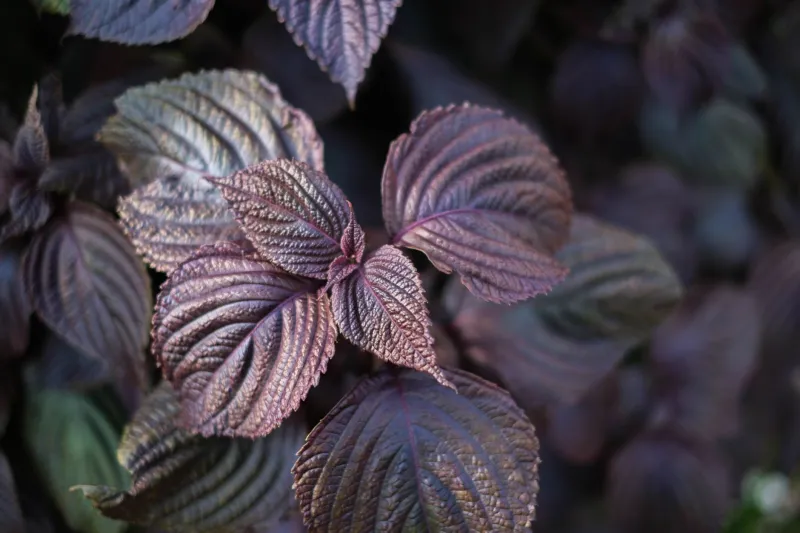
Shiso, wasabi, and a handful of lesser-known Japanese aromatics have long defined the flavor architecture of Hokkaido's home kitchens—and they are now within reach of American gardeners willing to invest a season's worth of attention. This guide walks through climate-specific planting strategies, container alternatives, and the culinary payoff that no imported bottle or dried packet can replicate. Whether you tend a small urban balcony or a sprawling backyard in the Pacific Northwest, Hokkaido's

The Art of Cooking with Less: How Hokkaido's Minimalist Pantry Philosophy Transforms Home Kitchens

The Art of Cooking with Less: How Hokkaido's Minimalist Pantry Philosophy Transforms Home Kitchens

Hokkaido home cooks have long understood something that American kitchens are only beginning to appreciate: restraint, not abundance, is the true engine of exceptional flavor. By deliberately narrowing their ingredient selections and embracing the Japanese concept of 'ma'—purposeful negative space—cooks across Hokkaido consistently produce meals of surprising depth and clarity. This article examines the science and psychology behind that discipline, and what US home cooks stand to gain by adopti

Less Is More: How Hokkaido's Ingredient Minimalism Produces Meals of Extraordinary Depth

Less Is More: How Hokkaido's Ingredient Minimalism Produces Meals of Extraordinary Depth

Hokkaido's culinary tradition is built on a counterintuitive principle: that restraint, not abundance, is the surest path to sophisticated flavor. By understanding the science and history behind this regional philosophy, American home cooks can transform their approach to the kitchen—achieving restaurant-quality results with a dramatically simplified pantry.

From Hokkaido Soil to American Backyards: A Grower's Guide to Japanese Heirloom Vegetables

From Hokkaido Soil to American Backyards: A Grower's Guide to Japanese Heirloom Vegetables

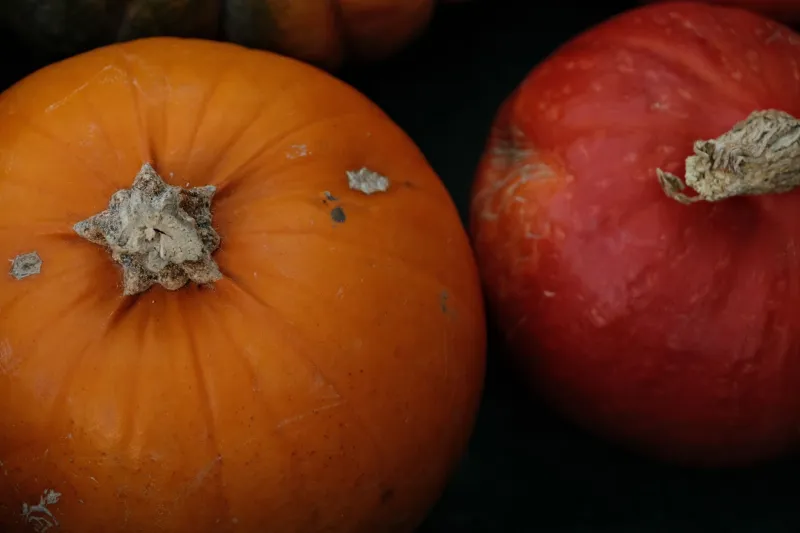
Hokkaido's most celebrated vegetables—shaped by cold climates, volcanic soils, and centuries of agricultural tradition—are more adaptable to American growing conditions than most home gardeners realize. This guide walks through which heirloom varieties translate well across US growing zones, how to source authentic seeds, and what to expect when you bring these flavors from your own backyard to your table.

Concentrated Power: How Hokkaido's Dried Mushrooms Unlock Restaurant-Grade Umami at Home

Concentrated Power: How Hokkaido's Dried Mushrooms Unlock Restaurant-Grade Umami at Home

Hokkaido's dried mushrooms—shiitake, enoki, and rarer cold-climate varieties—carry a depth of flavor that no fresh ingredient can replicate. Understanding the science behind the drying process and the practical techniques for using these pantry staples can fundamentally change how American home cooks approach broths, sauces, and everyday meals. This guide breaks down everything you need to know to start cooking with one of Japan's most underappreciated ingredients.

Beyond the Bottle: Hokkaido's Hidden Condiments and the Science of Deeper Flavor

Beyond the Bottle: Hokkaido's Hidden Condiments and the Science of Deeper Flavor

Most American home cooks know soy sauce and miso, but Hokkaido's condiment tradition runs far deeper. From enzyme-rich shio koji to the nuanced acidity of regional ponzu, these lesser-known staples are backed by genuine food science—and they are quietly redefining what flavor complexity means in the modern American kitchen.

The Natural Flavor Architects: How Kombu and Bonito Are Winning Over American Kitchens

The Natural Flavor Architects: How Kombu and Bonito Are Winning Over American Kitchens

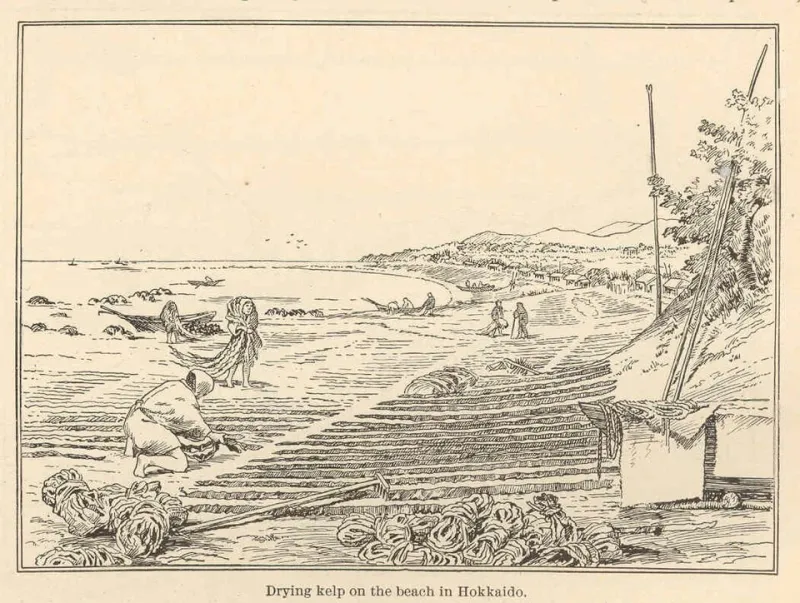
For decades, American cooks have chased depth of flavor through stocks, seasonings, and salt—often without a precise vocabulary for what they were seeking. Hokkaido's ancient umami ingredients, kombu seaweed and katsuobushi bonito flakes, offer not only a scientific explanation for that elusive savory richness but a clean, ingredient-forward path to achieving it. Here is what professional chefs already know, and what home cooks are rapidly discovering.

The Fermentation Frontier: How Hokkaido Artisanal Miso Is Changing What Americans Expect From a Pantry Staple

The Fermentation Frontier: How Hokkaido Artisanal Miso Is Changing What Americans Expect From a Pantry Staple

Mass-market miso has long served as a convenient shortcut, but a growing number of American home cooks are discovering that Hokkaido's small-batch fermentation traditions offer something altogether different. From the robust depth of aged red miso to the delicate sweetness of white varieties, Hokkaido producers are redefining what this ancient paste can accomplish in a modern kitchen. This guide examines the science, the craft, and the people behind this quiet culinary revolution.

From Scratch to Sublime: Mastering Hokkaido-Style Ramen Broth in Your Own Kitchen

From Scratch to Sublime: Mastering Hokkaido-Style Ramen Broth in Your Own Kitchen

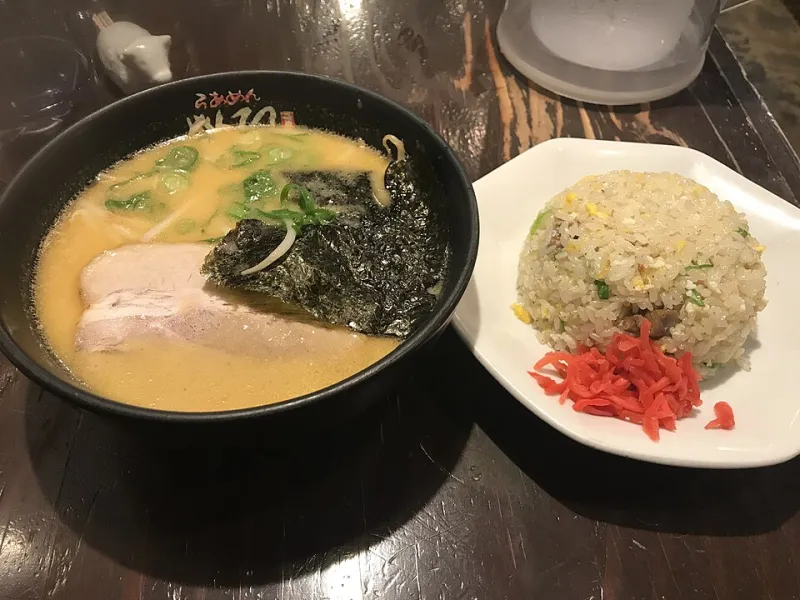
Authentic Hokkaido ramen broth is no longer the exclusive domain of specialty restaurants—American home cooks are discovering that the right ingredients and a few foundational techniques can produce deeply satisfying results at home. This guide breaks down the science and craft behind miso and tonkotsu broths, with a focus on the Hokkaido pantry staples that make all the difference. Whether you're looking to cut back on takeout spending or simply deepen your understanding of Japanese culinary tr

Cold Climate, Rich Cream: What Makes Hokkaido Dairy a Game-Changer for the American Kitchen

Cold Climate, Rich Cream: What Makes Hokkaido Dairy a Game-Changer for the American Kitchen

Hokkaido's sub-arctic temperatures and vast pasturelands create conditions that produce dairy of remarkable depth and quality. American home cooks are increasingly turning to Hokkaido butter, cream, and condensed milk to add a distinctly rich, clean flavor to everyday dishes. This article unpacks the science behind that difference and shows you how to put it to work.